
TL;DR:
- Home cleaning after moving focuses on sanitizing high-touch surfaces and hidden areas before unpacking to protect health. Doing this while the home is empty allows full access to behind appliances, inside cabinets, and vents, ensuring a thorough cleaning. Regular maintenance, including HVAC filter replacement and vent cleaning, helps sustain a healthy environment long after move-in.
Home cleaning after moving is the process of thoroughly sanitizing and preparing a newly occupied space before settling in, with a focus on high-touch surfaces, hidden debris, and air quality rather than simple appearance. Most families treat it as an afterthought, but the window between key handover and furniture arrival is the single best opportunity you will have to clean areas that become inaccessible once boxes pile up. Getting this right protects your family’s health from day one. Bridges Bros Movers has helped New England families relocate since 1919, and the cleaning step is one of the most consistently underestimated parts of any move.
What is home cleaning after moving, and why does it matter?
Home cleaning after moving, known in the industry as move-in cleaning or post-relocation deep cleaning, is a systematic process of disinfecting and refreshing a space before you unpack. The goal is health and comfort, not landlord inspection readiness. Homeowners often focus incorrectly on visual cleanliness rather than sanitizing high-touch surfaces, which directly affect your family’s health after moving in.
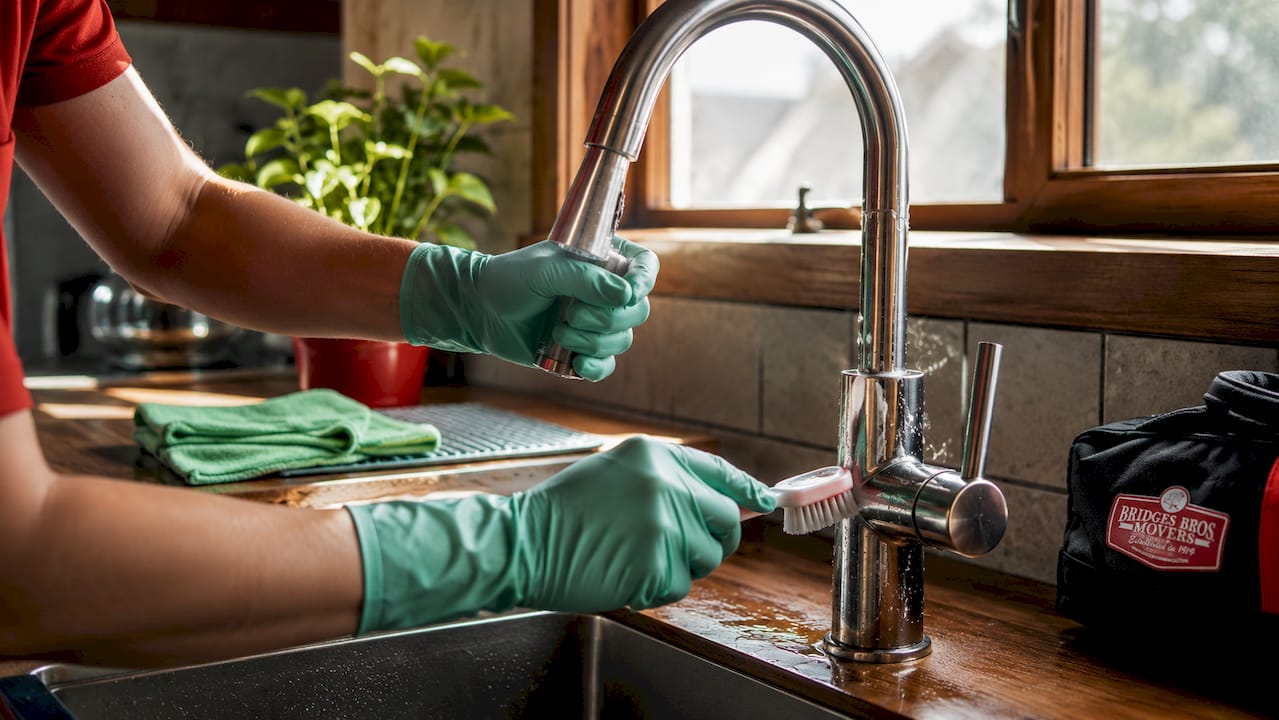
The distinction matters because it changes your priorities. Move-in cleaning targets doorknobs, light switches, faucet handles, cabinet interiors, and HVAC systems. These are the surfaces and systems that carry the most biological risk from previous occupants. A visually clean home can still harbor allergens, bacteria, and poor air quality if these areas are skipped.
Indoor air often contains more pollutants than outdoor air. That fact makes HVAC maintenance and thorough surface cleaning critical steps, not optional extras. Addressing air quality on day one sets the foundation for a genuinely healthy home.
What are the essential steps involved in post-move cleaning?
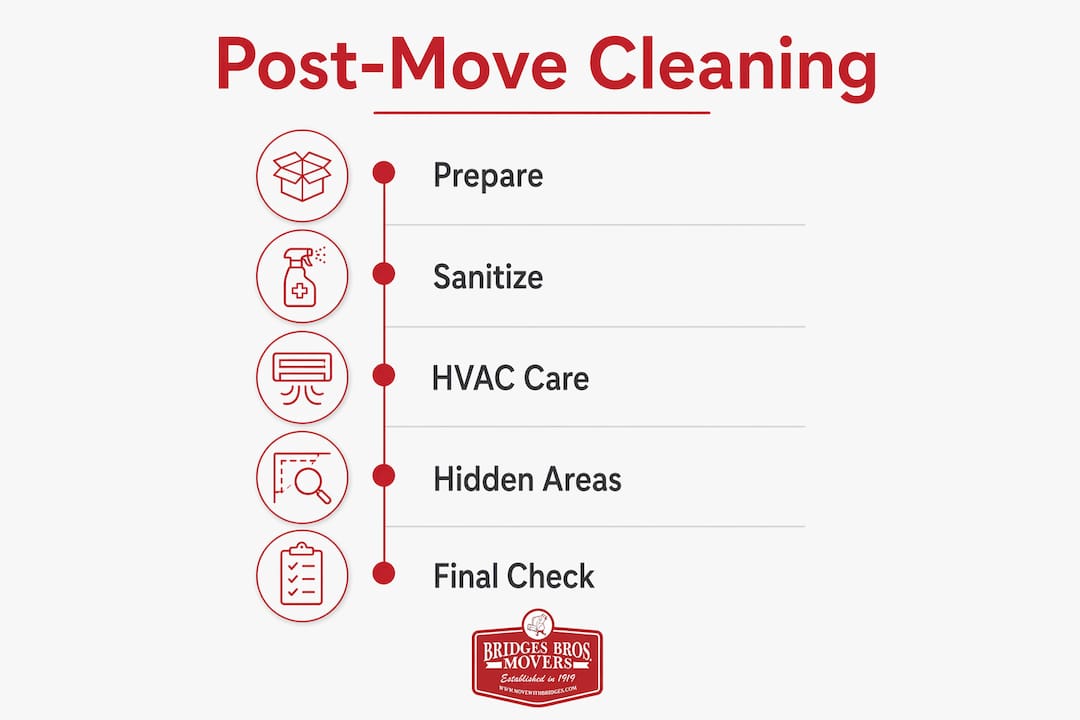
A structured approach prevents you from missing areas and avoids redoing work. Follow these steps in order, working from top to bottom in each room.
-
Replace the HVAC filter first. Replacing HVAC filters immediately after move-in greatly improves indoor air quality and is the most frequently neglected step. Upgrade to a higher MERV-rated filter to better capture dust and allergens circulating through the system.
-
Sanitize all high-touch surfaces. Wipe down every doorknob, light switch, faucet handle, and cabinet pull with a disinfectant. Move-in cleaning focuses on sanitization of these surfaces over appearance, unlike move-out cleaning which targets deposit-ready inspection.
-
Deep-clean kitchens and bathrooms first. Kitchens and bathrooms are the highest-impact rooms for daily hygiene and livability. Scrub inside the oven, refrigerator, and all cabinet interiors before any food or dishes go in.
-
Clean inside cabinets, closets, and behind appliances. Cleaning an empty home allows thorough access to hidden areas that become impossible to reach once furniture arrives. Do not skip this step.
-
Work room by room, top to bottom. Dust ceiling fans and light fixtures first, then walls and windows, then baseboards and floors. This zone-cleaning method prevents recontamination and avoids redoing surfaces you already cleaned.
-
Clean vents and baseboards. These are the spots most movers skip entirely. Dust and allergens collect in floor vents and along baseboards, and they will circulate through your home every time the HVAC runs.
Pro Tip: Set a timer for each room. A professional-grade deep clean of a typical home takes 4 to 8 hours depending on size and condition. Knowing this upfront helps you plan realistically and avoid rushing.
How does move-in cleaning differ from move-out cleaning?
The two processes share some overlap but serve completely different purposes. Confusing them leads to wasted effort or missed priorities.
Move-in cleaning priorities:
- Sanitizing high-touch surfaces for health, not appearance
- Cleaning inside cabinets, drawers, and closets before filling them
- Replacing HVAC filters and checking vents
- Scrubbing inside appliances like ovens and refrigerators
- Monitoring humidity levels to prevent mold growth
Move-out cleaning priorities:
- Restoring the home to its original condition for inspection
- Removing all personal items and debris
- Patching minor wall damage and cleaning scuffs
- Ensuring floors, carpets, and fixtures meet landlord standards
- Documenting the condition with photos for deposit protection
Move-in cleaning is about resetting a space for your personal health and comfort. Move-out cleaning is about satisfying a contractual obligation. The methods overlap in areas like bathroom scrubbing and floor mopping, but the sequence and emphasis differ significantly. Sanitizing kitchens and primary bathrooms early in the first 48 hours avoids stress and ensures the home is livable from the start. That urgency does not apply to move-out cleaning, where you have more time to work methodically.
One practical advantage of move-in cleaning is access. An empty home lets you clean behind the refrigerator, inside every cabinet, and under the stove without moving anything. Once your furniture arrives, those areas are gone for months or years.
What are the most commonly overlooked areas in a new home?
Most families clean the obvious surfaces and miss the spots that matter most for long-term air quality and hygiene. These are the areas that cause problems later.
- HVAC vents and returns. Dust, pet dander, and debris from previous occupants accumulate inside vents. Vacuum them out and wipe the covers before turning on the system.
- Cabinet and drawer interiors. Previous owners may have stored food, chemicals, or cleaning products in these spaces. Wipe every interior surface with a disinfectant before loading your own items.
- Behind and under appliances. Refrigerators, stoves, and washing machines collect grease, dust, and debris underneath. Pull them out and clean the floor and wall behind them while the space is empty.
- Baseboards and door frames. Vents, baseboards, and cabinet interiors are the areas most movers overlook, leading to hidden allergen buildup that affects air quality for months.
- Window tracks and sills. These collect mold, dead insects, and grime. A damp cloth and a small brush clear them quickly, but they are easy to forget.
Humidity is another hidden challenge. The EPA recommends indoor humidity between 30% and 50% to reduce mold growth and airborne pollutants. A basic hygrometer costs under $15 and tells you immediately whether your new home has a moisture problem that cleaning alone cannot fix.
Pro Tip: Before you start unpacking, walk through every room with a flashlight and check inside every cabinet, closet, and vent. You will find things that are invisible in normal lighting and easy to address while the space is still empty.
How do you build an effective cleaning checklist after moving in?
A room-by-room checklist keeps you organized and prevents the common mistake of cleaning the same areas twice while missing others entirely.
Building your checklist
Start with health-critical areas and work outward. Schedule deep cleaning tasks before unpacking whenever possible. Here is a practical sequence:
- Replace HVAC filter and vacuum all vents
- Sanitize all high-touch surfaces throughout the home
- Deep-clean kitchen: oven interior, refrigerator, cabinets, counters, sink
- Deep-clean bathrooms: toilet, tub, shower, sink, medicine cabinet interior
- Clean inside all closets and storage areas
- Wash windows, tracks, and sills
- Clean ceiling fans, light fixtures, and baseboards
- Mop and vacuum all floors
Scheduling deep cleaning versus unpacking
| Task | When to do it |
|---|---|
| HVAC filter replacement | Before turning on the system, day one |
| Kitchen and bathroom sanitization | Before unpacking any food or toiletries |
| Cabinet and closet interiors | Before loading any belongings |
| Floors and baseboards | After furniture is placed but before rugs go down |
| Quarterly maintenance (filters, vents, cabinets) | Every 3 months after move-in |
Ongoing maintenance is simpler than the initial deep clean. A quarterly schedule for replacing filters, vacuuming vents, and wiping cabinet interiors keeps the home at the standard you set on move-in day. Use a hygrometer to check humidity seasonally, especially in New England winters when indoor air dries out and summer humidity can spike. You can find a full moving preparation checklist that integrates cleaning tasks with your broader move timeline.
For homes that need junk removal alongside cleaning, handling both at once saves significant time. Bridges Bros Movers offers junk removal and cleaning services that let you clear out debris and sanitize the space in a single visit before your belongings arrive.
Key takeaways
Move-in cleaning is a health-focused process that requires sanitizing high-touch surfaces, replacing HVAC filters, and cleaning hidden areas before furniture arrives.
| Point | Details |
|---|---|
| Start with HVAC filters | Replace filters on day one to immediately improve indoor air quality. |
| Sanitize before unpacking | Clean high-touch surfaces and cabinet interiors before loading any belongings. |
| Clean while the home is empty | Access to hidden areas behind appliances and inside closets disappears once furniture arrives. |
| Monitor humidity levels | Keep indoor humidity between 30% and 50% to prevent mold and allergen buildup. |
| Schedule quarterly maintenance | Replace filters, vacuum vents, and wipe cabinets every three months after move-in. |
What I’ve learned about cleaning timing after a move
The single biggest mistake I see families make is treating cleaning as something to fit in around unpacking. By the time boxes are open and furniture is placed, the best cleaning window has already closed. You cannot get behind a refrigerator that is plugged in and stocked. You cannot properly wipe cabinet interiors that are already full of dishes.
The families who handle this well treat the empty home as a one-time opportunity. They spend the first few hours, or even the full first day, cleaning before a single box comes through the door. That approach feels counterintuitive when you are exhausted from moving day, but it pays off every time.
Air quality is the other thing most people underestimate. A home can smell clean and still have poor air. Previous owners’ pets, cleaning chemicals, and dust in the HVAC system all affect what your family breathes. Replacing the filter and vacuuming the vents takes 30 minutes and makes a measurable difference. For larger homes or families with allergies, professional cleaning help is worth considering. A professional team can complete a thorough deep clean in 4 to 8 hours, which is time you can spend managing the rest of the move.
The cleaning checklist is not about perfection. It is about making sure your new home is genuinely safe and comfortable from the first night. That is a goal worth protecting.
— Patrick
Bridges Bros Movers and your post-move home preparation
Bridges Bros Movers has supported New England families through every stage of relocation since 1919, and home preparation is part of that commitment. The team offers home cleaning services designed specifically for new residents, so you can arrive at a sanitized, move-in-ready space without adding another task to your list. Handling your move and your cleaning with one trusted provider saves coordination time and reduces the stress of managing multiple vendors. If you are planning a residential move in New Hampshire, Maine, or Massachusetts, get a quote for residential moving services and ask about adding home cleaning to your package.
FAQ
What is move-in cleaning and how is it different from regular cleaning?
Move-in cleaning is a deep sanitization of a new home focused on high-touch surfaces, hidden areas, and air quality before you unpack. Regular cleaning maintains an already-occupied space and does not address areas like cabinet interiors or HVAC filters.
When should I clean my new home after moving in?
Clean before unpacking whenever possible. The first 48 hours are critical for sanitizing kitchens and bathrooms, and an empty home gives you full access to areas that become unreachable once furniture is placed.
How long does a full move-in deep clean take?
A professional-grade deep clean of a typical home takes 4 to 8 hours depending on size and condition. Planning for at least half a day gives you enough time to do the job thoroughly.
What humidity level should I maintain in my new home?
The EPA recommends keeping indoor humidity between 30% and 50%. A basic hygrometer lets you monitor levels and catch moisture problems before they lead to mold growth.
Do I need to hire a professional cleaner when moving in?
Professional cleaning is not required, but it is the most reliable way to cover all areas in a single visit. For large homes, families with allergies, or situations where time is limited, professional help delivers a thorough result that is difficult to match on your own.