
TL;DR:
- Moving with children requires prioritizing emotional stability by maintaining routines and involving kids in packing and decision-making. Preparing a child-focused toolkit with comfort items, sensory supports, and visual checklists helps children feel secure and engaged throughout the move. Consistently recreating routines and addressing adjustment issues early can significantly reduce anxiety and promote smoother transitions.
Moving across town sounds simple enough on paper. But if you have kids, you already know that packing boxes is the easy part. The harder challenge is keeping your children calm, connected to their routines, and feeling safe while everything around them shifts. Whether you’re relocating within New Hampshire, Maine, or Massachusetts, this guide walks you through practical, research-backed steps to protect your children’s emotional wellbeing and keep daily life as stable as possible from the first packed box to the first night in your new home.
Table of Contents
- Building your family move toolkit
- Communicating and involving your children
- Preserving daily routines during the move
- Troubleshooting adjustment issues after moving
- What most guides miss about moving with kids
- Stress-free moving solutions for families
- Frequently asked questions
Key Takeaways
| Point | Details |
|---|---|
| Preserve familiar routines | Maintaining sleep and meal patterns reduces children’s stress and speeds adjustment during a move. |
| Open communication matters | Talking with your kids early and involving them helps them feel in control and less anxious. |
| Watch for adjustment issues | Temporary regressions are common, but persistent problems need early intervention from professionals. |
| Toolkit organization helps | Preparing comfort and routine materials ensures stability regardless of moving disruptions. |
| Family-focused solutions available | Local movers offer family-friendly services and resources to make relocation easier for everyone. |
Building your family move toolkit
With the stage set, let’s start by assembling the materials and planning tools you need to keep the move child-friendly and organized.
Most parents focus almost entirely on logistics: trucks, boxes, timelines. What often gets overlooked is the equally important job of curating a toolkit specifically designed around your children’s needs. A well-prepared family move toolkit does two things at once. It keeps the physical side of the move organized, and it gives your kids the sensory and emotional anchors they need to feel secure.
Here’s a breakdown of core materials to gather before moving day:
- Moving boxes in kid-friendly sizes so children can help pack their own belongings without struggling with oversized containers
- Comfort items such as a favorite stuffed animal, blanket, or toy that travels with your child, never in the moving truck
- Sensory supports like a weighted lap pad for kids, which can help children with anxiety or sensory sensitivities stay calm during transitions
- Routine-maintenance items: alarm clock, nightlight, white noise machine, and anything else tied to your child’s bedtime or morning rituals
- A visual checklist or countdown calendar so kids can track the move and feel some sense of control over the timeline
Research consistently shows that a stress-minimizing move plan centers on preserving routines, especially bedtime and morning patterns, and keeping familiar items and transitions consistent before, during, and after moving. That means your toolkit is not just about packing. It’s about maintaining the emotional infrastructure of your family’s daily life.
Toolkit needs by age group:
| Age group | Key comfort items | Routine priorities | Helpful tools |
|---|---|---|---|
| Toddlers (1 to 3) | Stuffed animal, security blanket | Nap schedule, bedtime ritual | Visual picture schedule, nightlight |
| Preschool (3 to 5) | Favorite toys, books | Meals, bedtime, play time | Countdown calendar, weighted lap pad |
| School-age (6 to 12) | Books, games, personal items | Homework routine, bedtime | Checklist they help create |
| Teens (13+) | Phone charger, personal décor | Sleep schedule, social connection | Input into move decisions |
Pro Tip: Create a physical checklist with pictures for younger kids so they can check off items as they pack their own comfort box. This small act of ownership significantly reduces pre-move anxiety because it gives children a concrete role in the process.
For more practical guidance, our packing tips for local moves can help you plan a timeline that works around your kids’ school schedule and after-school activities.
Communicating and involving your children
Once your moving toolkit is organized, the next crucial step is preparing your kids emotionally for the transition.
One of the most common mistakes parents make is waiting too long to tell their children about the move, or telling them everything at once in a single overwhelming conversation. Children process change best when information is given gradually, honestly, and in a way that matches their age and emotional vocabulary.
Here is a step-by-step approach that works:
-
Tell them early, but not too early. For toddlers and preschoolers, two to four weeks is usually enough lead time. School-age kids and teens benefit from knowing one to two months in advance so they can mentally prepare and say proper goodbyes to friends.
-
Use concrete, age-appropriate language. Instead of saying “we’re moving,” say “we’re going to live in a new house in the same town, and your school will stay the same.” Specifics reduce the unknown, and the unknown is what frightens children most.
-
Listen as much as you talk. After you share the news, leave space for questions and feelings. Some kids get excited. Others cry or go quiet. Both reactions are completely normal.
-
Involve them in real decisions. Let older kids choose the paint color for their new room, pick where their bed will go, or help select a new piece of décor. Even small choices matter.
-
Use books and stories. There are many children’s books about moving that normalize the experience and open the door for conversation without pressure.
Research shows that communicating early in age-appropriate ways, listening to children’s feelings, and involving them in simple moving-related tasks can reduce anxiety by increasing their sense of control. That sense of control is the key ingredient. Children don’t need to be in charge. They just need to feel like active participants rather than passengers.
“Children who are given accurate information and meaningful choices during a family relocation show fewer behavioral disruptions and faster adjustment in their new environment compared to children kept out of the process entirely.” — Child development research on family transitions
Pro Tip: Let your child pack a “favorites box” with five to ten items they choose themselves. This box rides in the car with the family, not in the moving truck, so it’s the first thing they unpack in the new home. Familiarity on arrival is a powerful comfort.
For families with specific concerns about managing children’s emotions during a move, our moving with kids resource page goes deeper into this topic. You’ll also find stress-free steps for New England families that address the unique considerations of relocating within NH, ME, and MA.
Preserving daily routines during the move
Having established open communication and involvement, protect your children’s sense of stability by focusing on routine preservation during each phase of the move.
Think of your child’s daily routine as a framework that holds their sense of safety in place. When that framework stays consistent, even chaotic surroundings feel manageable. When it collapses under the weight of moving chaos, children feel unmoored, and that’s when behavioral regressions, sleep disruptions, and emotional outbursts start appearing.
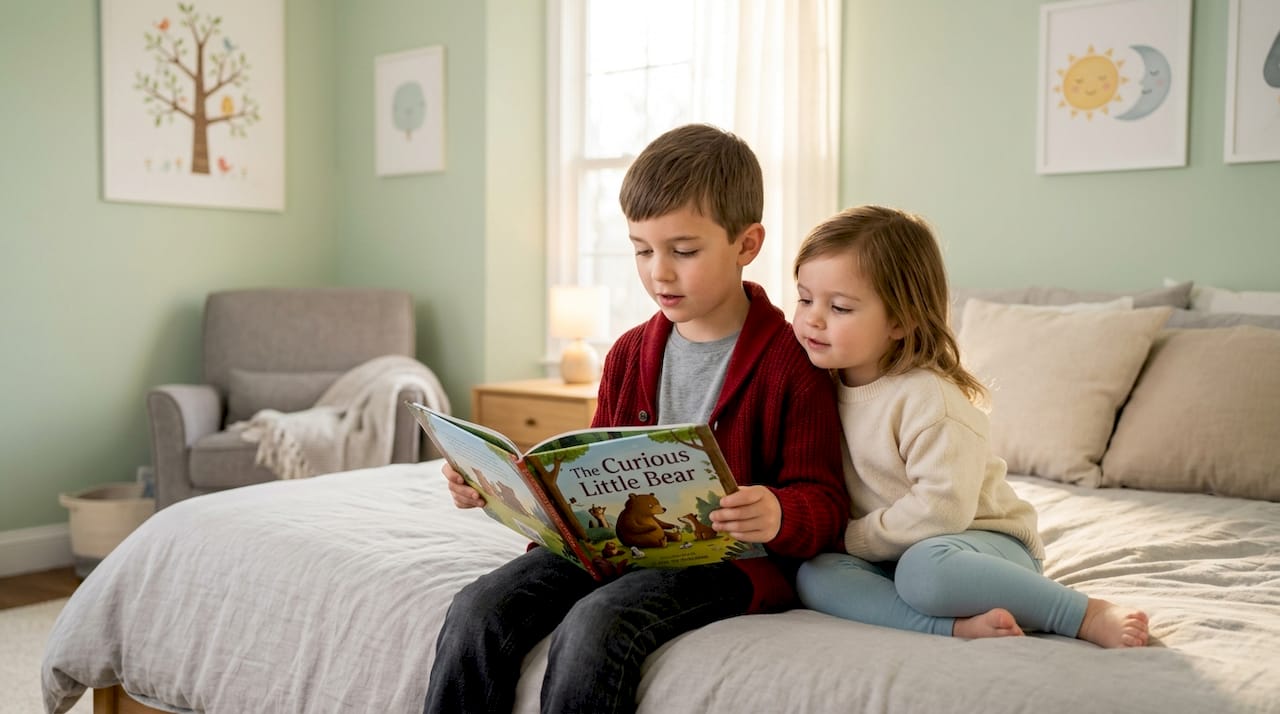
Phase-by-phase routine tactics:
| Phase | What to protect | Practical actions |
|---|---|---|
| Pre-move (weeks before) | Bedtime, meals, school schedule | Keep weeknight routines unchanged; pack gradually without disrupting mornings |
| Move day | Mealtimes, nap/bedtime if possible | Pack a “day of” bag with snacks, comfort items, and bedtime essentials |
| Post-move (first weeks) | Sleep ritual, meals, play time | Set up children’s rooms first; recreate bedtime ritual in the new space |
Here are the must-maintain rituals that make the biggest difference for most kids:
- Consistent bedtime and wake time, even when the new house still has boxes everywhere
- Meals at the same times with familiar foods, especially in the first week
- A predictable play window each day where children have unstructured time with their favorite items
- Physical comfort objects like a calming lap pad for kids or a weighted blanket that can anchor sensory-sensitive children during the transition
A stress-minimizing move plan specifically prioritizes keeping familiar items and transitions consistent before, during, and after moving. And research further confirms that moves can be handled without disrupting your family’s entire rhythm by prioritizing meals at the same times and keeping bedtime rituals identical, even while boxes and schedule disruptions occur.
One practical strategy: set up your children’s bedrooms as close to done as possible on the very first night. Children sleep better in a space that feels familiar. If you need temporary storage to keep the rest of the house from feeling cluttered during unpacking, our moving storage solutions can help free up space so your family’s living areas stay calm and functional.
Brief regression, meaning a toddler going back to a pacifier or an older child becoming clingier, is completely normal for a few days. Allow it without alarm. The goal is to restore the routine quickly, and most children bounce back faster than parents expect.
Troubleshooting adjustment issues after moving
Preserving routines will minimize disruptions, but it’s important to be prepared for adjustment challenges in the days and weeks after settling in.
Even with the best preparation, some children need more time. Knowing what to watch for, and when to take action, puts you ahead of the problem rather than chasing it.
Here is a numbered checklist for monitoring your child’s adjustment:
- Track sleep quality daily for the first two weeks. Note difficulty falling asleep, nighttime waking, or early rising that wasn’t present before the move.
- Watch for changes in appetite. Eating significantly less or refusing familiar foods for more than a few days can signal stress.
- Monitor social behavior. Increased clinginess is normal short-term. Sustained withdrawal from siblings, friends, or activities is a sign to take more seriously.
- Note regression behaviors. Thumb sucking, bedwetting, or baby talk returning briefly is common. If these persist past two to three weeks, that’s worth noting.
- Listen to what they say and don’t say. Children often communicate distress through play or complaints about unrelated things. Check in daily with simple, open-ended questions.
Normal vs. concerning responses at a glance:
| Behavior | Normal timeline | Concerning if… |
|---|---|---|
| Sleep disruption | Up to 4 to 6 weeks | Persists beyond 6 weeks or worsens |
| Clinginess | 1 to 2 weeks | Lasts beyond a month with no improvement |
| Regression behaviors | 2 to 3 weeks | Continues past 4 weeks or intensifies |
| Withdrawal or sadness | 1 to 2 weeks | Disrupts school, eating, or daily function |
Key statistic: Sleep restoration after a move can take up to four to six weeks, which is a normal timeframe. However, if sleep issues or other adjustment problems persist past that window, seeking support from a pediatrician or child therapist is the right move.
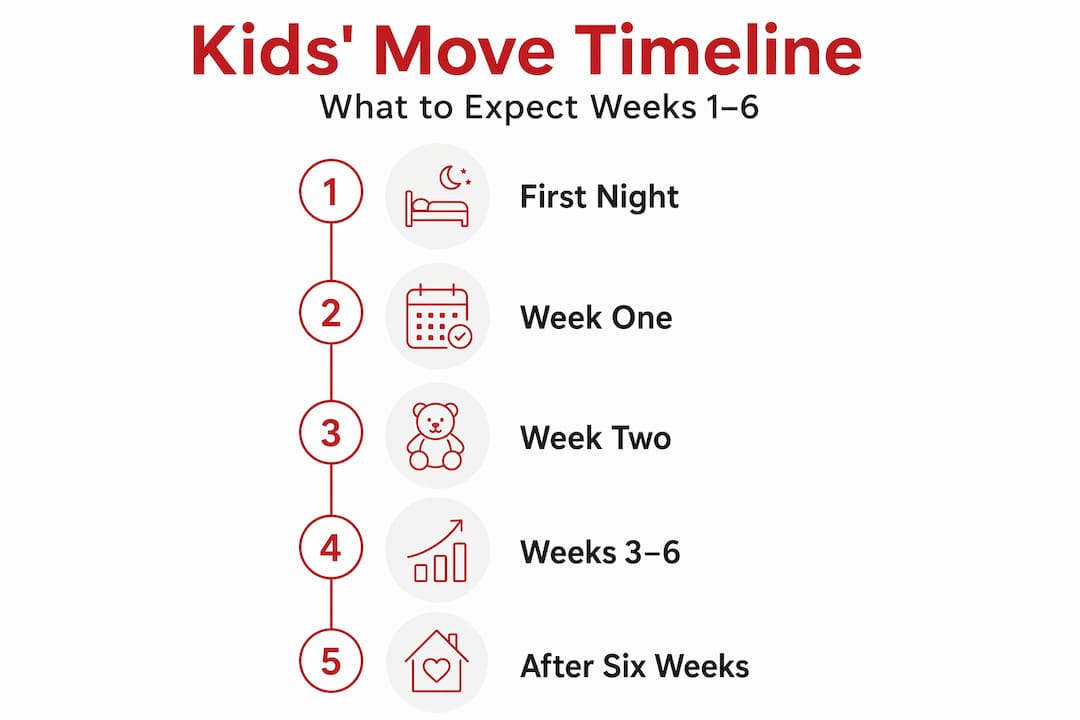
Research is clear that persistent post-move issues, especially sustained withdrawal, ongoing regressions beyond a few weeks, or functional impairment, should be escalated to a professional rather than waiting it out.
Pro Tip: Don’t wait six weeks to act if your instincts tell you something is off. Early support from a pediatrician or child therapist is far more effective than waiting until a problem becomes entrenched. Reaching out early is not an overreaction. It is good parenting.
If you’re looking for broader guidance on keeping your entire household’s move as smooth as possible, our stress-free move advice for families and businesses covers scheduling, logistics, and emotional preparation in depth.
What most guides miss about moving with kids
Most moving guides spend the majority of their advice on logistics. Boxes, trucks, schedules, checklists. Those things matter, but they’re not what determines how well your children come through a move. What actually matters most is restoring the feeling of normal life as fast as possible.
In our experience working with families across New Hampshire, Maine, and Massachusetts, the children who adjusted best weren’t necessarily the ones whose parents packed the most efficiently. They were the ones whose parents prioritized emotional continuity over physical order. A house with unpacked boxes but a consistent bedtime routine produces far less anxiety in children than a perfectly organized home where sleep schedules went out the window during the move.
Here’s what most resources also miss: the first night in the new home is the single most important moment for a child’s adjustment. Not the first week. The first night. If you recreate the exact bedtime ritual, including familiar scents like a child’s usual soap or lotion, the same sound environment, the same sequence of steps, the same comfort object, your child’s nervous system registers safety rather than disruption. That one night sets the emotional tone for everything that follows.
The other piece of advice rarely stated directly is this: don’t wait to address problems. Parents often tell themselves that things will settle down in a few more days. Sometimes they do. But when they don’t, each week of delay makes the adjustment harder. We’ve seen families where a month passed before parents reached out for support, and by then, the child’s sleep and school performance had both taken significant hits. Early action is always better.
For more family-specific moving guidance, our moving with kids page offers practical support tailored to families at every stage of the process.
Stress-free moving solutions for families
For families seeking extra support or fun ideas, here’s how to make your move stress-free with expert help and creative solutions.
At Bridges Bros Movers, we’ve been helping families across New Hampshire, Maine, and Massachusetts move since 1919. We understand that for parents, a successful move isn’t just about getting furniture from point A to point B. It’s about keeping your children calm, your routines intact, and your household running smoothly through every phase of the transition. Our residential moving services are built around flexibility and family-first planning, so you can focus on your kids while we handle the heavy lifting. Explore our moving fun activities for creative ways to get children involved, or browse our full selection of packing materials for families to find exactly what you need. Request a free quote today and let’s build a move plan that works for your whole family.
Frequently asked questions
How can parents minimize stress for children during a local move?
The easiest approach is to preserve daily routines, involve kids in packing, and communicate openly about changes. A stress-minimizing move plan centers specifically on keeping bedtime, morning patterns, and familiar items consistent throughout the move.
What signs should parents watch for if a child struggles after moving?
Look for changes like sleep problems, withdrawal, or regressions that last beyond a few weeks. If persistent issues worsen or begin disrupting daily functioning, consult a pediatrician or child therapist rather than waiting.
How do you keep routines consistent on moving day?
Schedule meals and bedtime at their usual times, pack a comfort bag for the car, and recreate familiar rituals in the new space that evening. Research confirms that keeping bedtime rituals identical even while boxes and schedule disruptions occur is one of the most effective strategies.
What’s a simple way to involve children in the move?
Let kids help pack their own belongings or help choose how their new room is arranged, which gives them a sense of ownership and reduces anxiety. Involving children in simple, moving-related tasks directly increases their sense of control over the situation.