
TL;DR:
- Moving before the school year starts in New Hampshire requires early planning to coordinate housing, enrollment, and moving timelines effectively. The optimal moving window is late June through mid-July, but costs are higher during peak summer demand. Families should prepare detailed checklists and submit enrollment and homeschool notifications promptly to ensure smooth transitions.
Moving before the school year starts in New Hampshire is defined as relocating your family in time to complete school enrollment, secure housing, and settle in before the first day of class. The process requires synchronizing three separate timelines: the local housing market, your moving schedule, and your school district’s enrollment deadlines. Get any one of those wrong and your child could miss the first week of school or face a delayed enrollment. This guide walks you through every phase, from finding a home during peak season to filing homeschool notifications under New Hampshire RSA 193-A.

When is the best time to move in new hampshire before school?
The best time to move in New Hampshire for a school-year start is late june through mid-july. That window gives you enough time to close on a home, complete enrollment paperwork, and unpack before August orientation dates arrive.
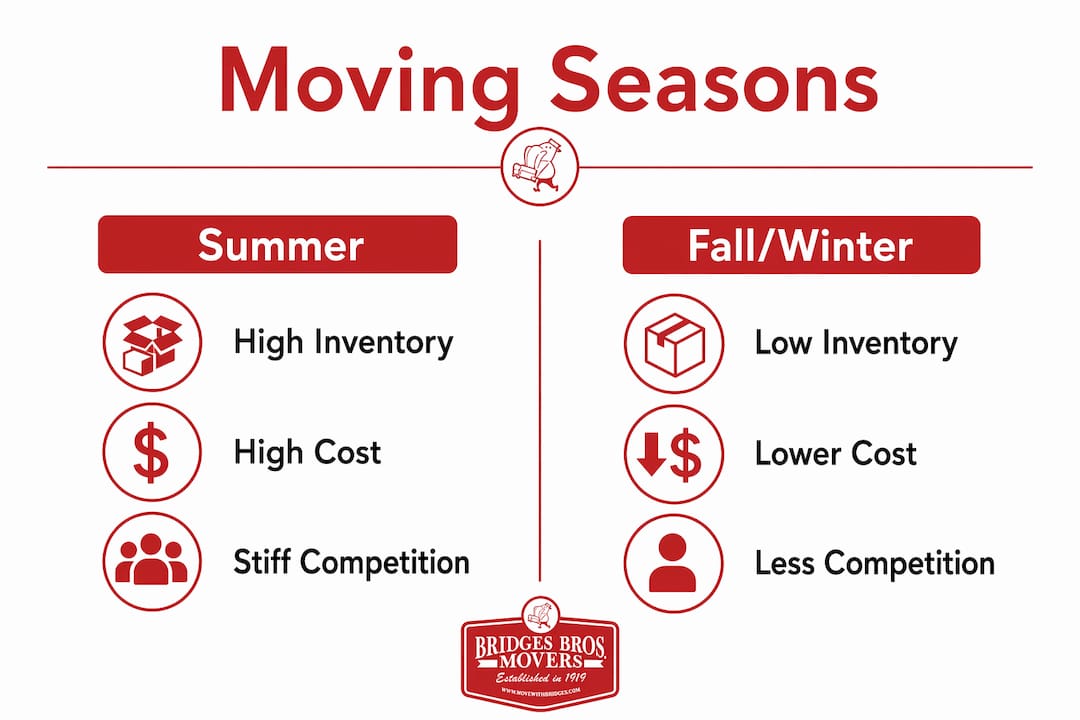
Summer months see a 30–35% increase in new housing listings across New Hampshire. More inventory means more choices, but homes often sell within 30 days or less during this period, so you need to move fast once you find the right property.
The trade-off is cost. Peak summer moves cost 20–30% more than fall or winter mid-week moves. That premium reflects high demand for movers, trucks, and storage units during the same window when every other relocating family is competing for the same slots.
Pro Tip: Book your moving company at least 8 weeks before your target move date if you plan to relocate in june or july. Calendars fill up quickly during peak season, and waiting until 3 weeks out often means settling for less flexible scheduling.
| Season | Housing Inventory | Moving Cost | Competition |
|---|---|---|---|
| Summer (June–August) | High | 20–30% above average | Very high |
| Fall (September–November) | Moderate | Average | Moderate |
| Winter (December–February) | Low | Below average | Low |
| Spring (March–May) | Growing | Average | Moderate |
Families moving during summer benefit from variety but face stiff competition, while fall movers pay less but find fewer homes available. Your priority, whether that is selection or savings, should drive your decision.
What does a moving checklist for families look like?
A well-organized moving checklist for families divides preparation into four phases: Packing, Cleaning, Administration, and Timeline. Starting at least 8 weeks before your move date gives you enough runway to handle each phase without overlap or last-minute scrambling.
Here is a phased approach that works for families with school-aged children:
- 8 weeks out: Research New Hampshire school districts in your destination town. Request enrollment paperwork from the district office. Confirm what residency documents they require.
- 6 weeks out: Begin decluttering and packing non-essential rooms. Order packing supplies and label boxes by room and priority. Notify your current school of your planned withdrawal date.
- 4 weeks out: Confirm your moving company booking. Arrange transfer of your child’s academic records. Contact utility companies at both addresses.
- 2 weeks out: Complete all enrollment paperwork for the new district. Pack remaining rooms except daily-use items. Confirm your moving day timeline with your mover.
- Moving week: Keep a separate bag with school documents, immunization records, and enrollment forms. Do not pack these with household goods.
Pro Tip: Ask your child’s current school to prepare a records packet in a sealed envelope addressed to the new school. Many districts accept this directly, which speeds up the enrollment process by several days.
Relocation specialists recommend breaking preparation into phases specifically to protect children’s emotional wellbeing during the transition. When parents are organized, kids feel more secure. That connection between logistics and emotional adjustment is real and worth planning around.
For families also moving with pets, the pet-friendly moving guide from Bridges Bros Movers covers additional checklist considerations specific to animals.
How do new hampshire school enrollment requirements work?
New Hampshire school enrollment requires proof of residency, proof of age, and up-to-date immunization records. Most districts require a lease agreement or utility bill as residency documentation before they will process an enrollment form.
Here is what you need to gather before your first visit to the district office:
- Proof of residency: A signed lease, mortgage closing documents, or a utility bill in your name at the new address
- Proof of age: A birth certificate or passport
- Immunization records: New Hampshire follows specific vaccination schedules; contact the district for the current requirements
- Previous school records: Report cards, IEP documents if applicable, and any special education assessments
- Enrollment forms: Download these from the district website in advance to save time
Submit enrollment paperwork as early as possible. Some districts in New Hampshire have specific deadlines for fall enrollment, and late submissions can delay your child’s class placement.
The Interstate Compact on Educational Opportunity requires schools to transfer student records promptly when families move between districts or states. This means your child’s previous school is legally obligated to cooperate, but you should still follow up directly to confirm the transfer is complete.
Mid-year moves involve the same documentation but require faster processing. If you are moving between districts after school has already started, contact the new district’s registrar before your move date to confirm their specific intake process.
What are the homeschooling requirements after moving to new hampshire?
New Hampshire homeschool law RSA 193-A defines the notification process as a commencement notice, not a request for approval. Families must notify the participating agency within 5 business days of starting homeschool instruction. That clock starts the moment your child begins learning at home, not when you mail the letter.
This distinction matters more than most families realize. Many parents assume they have 5 days after moving to figure out their plan. The law says otherwise. Timing the notification letter before your child’s last public school day is the safest approach and the one experienced relocation specialists consistently recommend.
Follow these steps to stay compliant:
- Draft your notification letter before your move date. Include your child’s name, date of birth, and the date instruction will begin.
- Send the letter via certified mail with return receipt to the participating agency (typically your local school district superintendent’s office).
- Keep the return receipt as proof of compliance. Certified mail with return receipt is best practice and provides documentation in the event of any future dispute.
- Begin instruction on or after the date stated in your letter.
RSA 193-A also requires annual assessments of your child’s academic progress. New Hampshire allows several assessment methods, including standardized tests, portfolio reviews, and evaluations by a certified teacher. Recordkeeping is your responsibility, so maintain organized files from day one.
Families withdrawing from public school mid-year to begin homeschooling follow the same notification process. The mid-year withdrawal process in New Hampshire requires a formal written withdrawal submitted to the school before the child stops attending.
What moving costs should new hampshire families expect?
Moving costs in New Hampshire follow a predictable pattern based on home size, timing, and services selected. Average costs range from $782 for a studio to $5,988 for a 5-bedroom home, with hourly rates running around $178. Larger homes require more crew members and more hours, which compounds the total quickly.
Timing is the single biggest variable you can control. Summer weekend moves at the end of the month represent the most expensive combination possible. Moving on a tuesday in october costs significantly less for the same distance and home size.
| Home Size | Estimated Cost | Notes |
|---|---|---|
| Studio | $782 | Minimum charge often applies |
| 1–2 Bedroom | $1,200–$2,400 | 2-person crew, 3–5 hours |
| 3–4 Bedroom | $2,800–$4,500 | 3-person crew, 6–8 hours |
| 5+ Bedroom | $5,988+ | Full crew, full day |
Ways to reduce your moving expenses:
- Schedule your move on a weekday, tuesday through thursday offers the best availability
- Avoid the last 3 days of any month, when demand spikes
- Pack your own boxes to reduce labor hours
- Use professional packing services selectively for fragile or high-value items only
- Consider storage solutions if your move-in date and move-out date do not align perfectly
For families preparing for a summer move in New Hampshire, Bridges Bros Movers has detailed guidance on managing the specific logistical challenges that come with peak-season relocations.
Key takeaways
Relocating before the school year starts in New Hampshire requires booking movers early, completing enrollment paperwork before move-in day, and understanding that homeschool notification timelines begin the moment instruction starts.
| Point | Details |
|---|---|
| Book movers 8 weeks early | Summer demand fills moving company calendars fast; early booking secures your preferred date. |
| Submit enrollment docs first | Gather residency proof, immunization records, and school forms before your move-in date. |
| Homeschool notice is time-sensitive | RSA 193-A requires notification within 5 business days of starting instruction, not after settling in. |
| Summer costs run 20–30% higher | Schedule mid-week or consider a late-august move to reduce peak-season pricing. |
| Records transfer is legally required | The Interstate Compact obligates schools to transfer student records promptly between districts. |
What i have learned coordinating family moves before school starts
After years of working with families relocating across New Hampshire, the pattern I see most often is this: parents plan the move perfectly and forget the school entirely until two weeks before classes begin. By then, the district office is overwhelmed, enrollment slots for certain programs are full, and the family is scrambling.
The families who handle this well treat school enrollment as a parallel project, not a follow-up task. They contact the district before they even close on the house. They ask about program availability, bus routes, and registration deadlines in the same conversation where they are still negotiating their closing date.
Children’s social adjustment is the part that surprises parents most. A child who starts school knowing one person from the neighborhood adjusts faster than one who walks in knowing nobody. Timing your move 3 to 4 weeks before school starts, rather than the week before, gives kids time to meet neighbors and attend any orientation events the school offers.
For homeschooling families, the compliance risk is real and underappreciated. The 5-business-day window under RSA 193-A is not a grace period. It is a hard deadline that starts the moment your child begins learning at home. I have seen families caught off guard by this simply because they assumed the clock started at move-in. It does not.
My honest recommendation: treat your moving checklist and your school enrollment checklist as one document. Every task on the moving side has a corresponding task on the school side. When both lists are complete, your family is ready.
— Patrick
How bridges bros movers helps families relocate before school starts
Bridges Bros Movers has served New Hampshire families since 1919, and school-year relocations are among the most time-sensitive moves we handle. Our residential moving services are built around the kind of scheduling precision that families with enrollment deadlines need. We offer flexible booking, professional packing options, and storage solutions for families whose move-in and move-out dates do not line up perfectly. Whether you are moving across town in Portsmouth or relocating from Massachusetts to the Seacoast, our team coordinates the logistics so you can focus on getting your kids ready for school. Get a quote and start planning your move today.
FAQ
When should families start planning a school-year move in NH?
Start planning at least 8 weeks before your target move date. This gives you time to book movers, gather enrollment documents, and complete school registration before the district’s deadlines.
What documents do new hampshire schools require for enrollment?
Most New Hampshire districts require proof of residency (lease or utility bill), a birth certificate, immunization records, and previous school records. Submit these as early as possible to avoid placement delays.
How does the interstate compact help with school record transfers?
The Interstate Compact on Educational Opportunity legally requires schools to transfer student records promptly when a family moves between districts or states, supporting continuous enrollment without gaps.
What is the homeschool notification deadline in new hampshire?
Under RSA 193-A, families must notify their participating agency within 5 business days of starting homeschool instruction. Send the letter via certified mail before your child’s first day of home instruction.
Is it cheaper to move to new hampshire in fall instead of summer?
Yes. Fall and winter mid-week moves cost 20–30% less than summer or weekend moves. If your school enrollment timeline allows flexibility, scheduling your move in late august or september can produce meaningful savings.