Every family faces unique challenges when planning a move within New Hampshire, Maine, or Massachusetts. The process of packing up your life and ensuring nothing gets overlooked can feel overwhelming, especially when balancing work, school, and family needs. By starting with a clear assessment of your moving requirements and building a detailed household inventory, you lay the foundation for a stress-free experience and avoid costly surprises. This step-by-step guide walks you through every detail, making it easier to hire professional movers you can trust.
Create a detailed household inventory to guide your moving budget and strategy.
2. Research Moving Companies
Use multiple resources to investigate and shortlist reputable moving services.
3. Request Detailed Quotes
Obtain and compare quotes, focusing on costs, services, and potential fees.
4. Verify Company Credentials
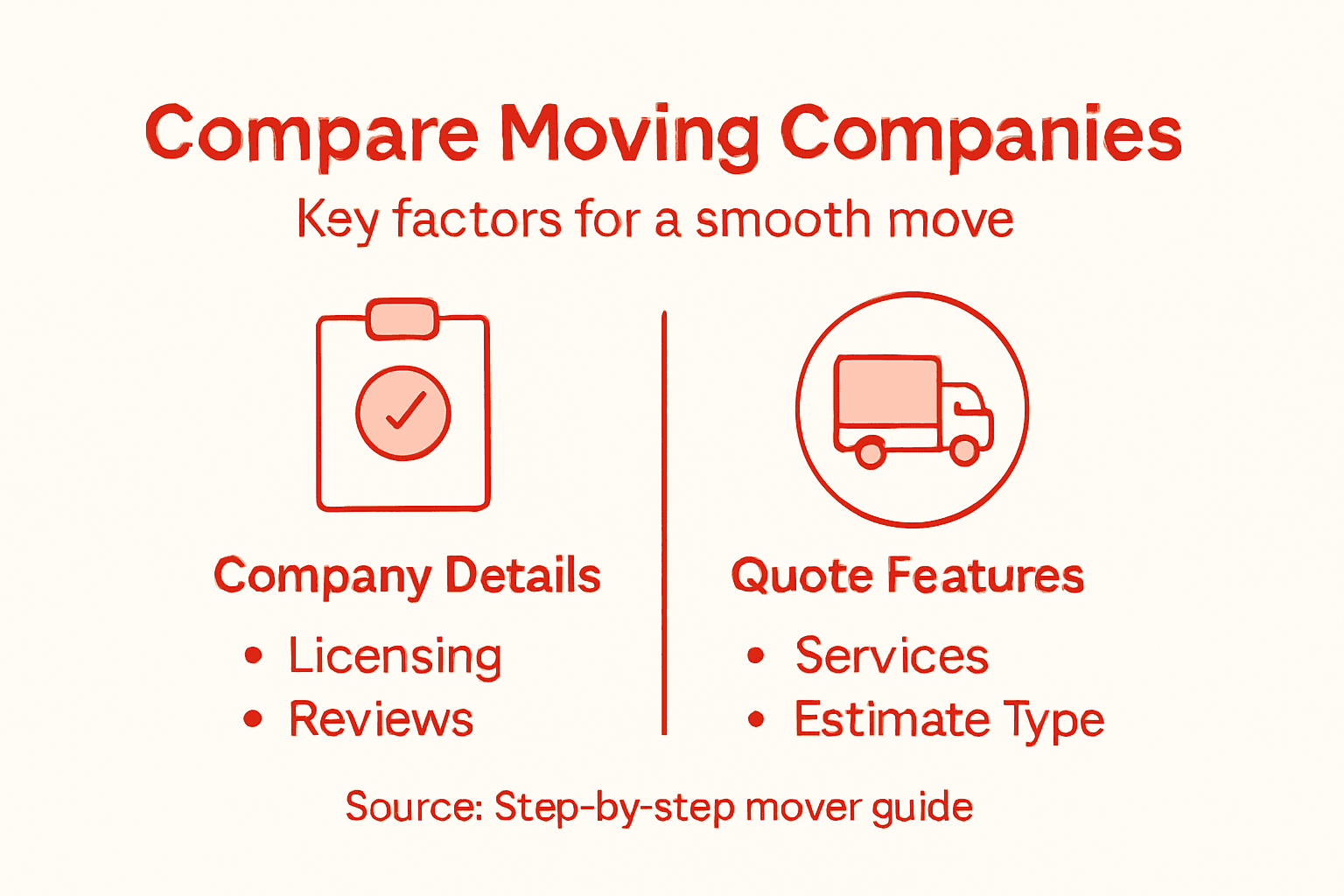
Check licenses and reviews to ensure the reliability of your chosen moving company.
5. Confirm Moving Day Details
Communicate essential logistics with your moving team for a smooth relocation.
Step 1: Assess Your Moving Needs and Budget
Successfully moving your home starts with a comprehensive assessment of your specific moving requirements and financial resources. Understanding your unique moving scenario will help you make informed decisions and prevent unexpected challenges during the relocation process.
Begin by creating a detailed household inventory that catalogs all items you plan to move. This inventory helps you determine the size and complexity of your move, which directly impacts your budget and moving strategy. When developing this list, categorize your belongings into several key groups:
Everyday household items
Large furniture pieces
Fragile or special items
Electronics and valuable possessions
Next, identify the type of move you’ll be undertaking by analyzing moving distance and complexity. Moves can range from local transitions within New Hampshire to long-distance relocations across Massachusetts or Maine. Each move type carries different cost structures and logistical considerations.
Here’s a quick overview of common moving types and their typical challenges:
Move Type
Typical Costs
Major Challenges
Local
Lower (few hundred dollars)
Scheduling, timing
Interstate
Moderate (few thousand dollars)
Regulations, longer transport
Long-distance
Highest (several thousand dollars)
Logistics, insurance needs
Specialty (e.g., fragile items)
Varies widely
Handling, extra care
To create an accurate moving budget, calculate potential expenses across several categories:
Use this summary table to quickly review major moving budget categories:
Budget Category
Typical Cost Range
Importance
Moving services
$500-$5,000
Essential
Packing supplies
$50-$300
Necessary
Travel expenses
$100-$800
Often overlooked
Insurance plans
$100-$500
Highly recommended
Storage fees
$50-$200 per month
Optional
Contingency fund
10-15% of budget
Critical for surprises
Professional moving services
Packing materials and supplies
Transportation and potential travel costs
Insurance and protection plans
Temporary storage (if needed)
Contingency funds for unexpected expenses
A well-planned moving budget typically allocates 10-15% extra for unforeseen circumstances, ensuring you’re financially prepared for any surprises.
Pro tip:Create a digital or physical spreadsheet to track all moving expenses, helping you maintain financial transparency and control throughout the relocation process.
Step 2: Research and Shortlist Reputable Moving Companies
Researching and selecting the right moving company is a critical step in ensuring a smooth, stress-free relocation. Your goal is to find a reliable, professional moving service that understands your specific needs and can execute your move with precision and care.
Start by developing a comprehensive research strategy to identify potential moving companies. Leverage multiple resources to gather information:
Online review platforms
Local business directories
Recommendations from friends and family
Professional moving associations
Better Business Bureau ratings
When evaluating potential moving companies, focus on several key assessment criteria:
Years of experience in the moving industry
Licensing and insurance credentials
Range of services offered
Customer testimonials and references
Transparent pricing structures
Specialized moving capabilities
A reputable moving company should provide clear, detailed estimates and be willing to answer all your questions professionally.
Pay special attention to moving company credentials and reviews to verify their reliability and performance history. Look for companies with consistent positive feedback, proven track records, and comprehensive service offerings that match your specific moving requirements.
Pro tip:Schedule in-person or virtual consultations with your top 3-4 moving companies to get detailed estimates and assess their professionalism firsthand.
Step 3: Request Quotes and Compare Services Offered
Navigating the quote request process is crucial for finding the right moving company that meets your specific needs and budget. This step requires careful attention to detail and a strategic approach to gathering comprehensive information about potential moving services.
Begin by preparing a detailed inventory of items to move, which will help ensure accurate quotes. When requesting estimates, use multiple communication channels:
Phone consultations
Online quote request forms
In-person estimates
Email communications
When comparing moving company quotes, focus on these key comparison criteria:
Total estimated cost
Included services
Additional fees or potential surcharges
Insurance coverage options
Estimated timeline for move
Cancellation and refund policies
Not all quotes are created equal. A low price might hide additional fees or subpar service quality.
Request comprehensive moving service quotes that break down all potential expenses. Pay close attention to the level of detail in each estimate, looking for transparency and completeness in the pricing structure.
Ensure you understand the difference between binding and non-binding estimates. A binding estimate provides a fixed price, while a non-binding estimate can change based on actual moving conditions. Ask each moving company to clearly explain their pricing methodology.
Pro tip:Create a spreadsheet to compare quotes side-by-side, noting not just the price but the specific services included in each estimate.
Step 4: Check Credentials and Read Customer Reviews
Verifying the legitimacy and performance history of potential moving companies is a critical step in protecting your belongings and ensuring a smooth relocation experience. Your goal is to conduct a thorough investigation that goes beyond surface-level marketing materials.
Begin by checking the official credentials of each moving company:
State and federal licensing status
US Department of Transportation number
Professional moving association memberships
Insurance and bonding information
Years of operational experience
When researching customer reviews, employ a strategic approach to gather comprehensive insights:
Check multiple review platforms
Look for consistent feedback patterns
Read both positive and negative reviews
Analyze the company’s response to criticism
Verify the authenticity of testimonials
Not all reviews are created equal. Focus on detailed, substantive feedback rather than generic praise or criticism.
Investigate moving company reviews systematically across different platforms. Pay special attention to how companies handle customer complaints and resolve potential issues.
Utilize resources like the Better Business Bureau, online review sites, and professional moving associations to cross-reference the moving company’s reputation. Look for red flags such as consistent unresolved complaints, lack of transparency, or unprofessional communication.
Pro tip:Create a scoring system to objectively rate each moving company based on credentials, review quality, and professional responsiveness.
Step 5: Confirm Booking Details and Prepare for Moving Day
The final stages of your moving preparation require meticulous attention to detail and proactive communication with your selected moving company. This critical phase ensures a smooth, well-coordinated moving experience that minimizes potential complications.
Begin by confirming critical moving logistics with your moving team. Verify and document these essential details:
Exact move date and time
Estimated arrival window
Number of movers assigned
Special handling instructions
Parking and building access arrangements
Prepare a comprehensive moving day strategy by organizing your belongings and creating a clear action plan:
Separate items that will travel with you
Label boxes with destination rooms
Prepare a “first night” box with essential items
Clear pathways for movers
Protect floors and walls from potential damage
Effective communication with your moving team is the key to a stress-free relocation.
Ensure all necessary paperwork is completed and readily available. This includes moving contracts, inventory lists, insurance documents, and contact information for both you and the moving company.
Make arrangements for utility transfers, mail forwarding, and any last-minute details that could impact your moving day. Create a moving day emergency kit with important documents, medications, chargers, and essential personal items.
Pro tip:Take photos of valuable items and electronics before packing to document their condition and assist with any potential insurance claims.
Make Your Move Stress-Free with Trusted Professionals
Hiring movers can be overwhelming with so many details like budgeting, verifying credentials, and comparing quotes to consider. The article “Step-by-Step Guide to Hiring Movers for a Smooth Move” highlights key challenges such as finding reputable services, understanding pricing structures, and preparing thoroughly for moving day. At MoveWithBridges.com, we understand these concerns because we have been a family-owned moving company since 1919, offering tailored moving solutions across New Hampshire, Maine, and Massachusetts.
Why risk surprises or delays when you can work with a trusted local expert? Our comprehensive services include residential and commercial moves, packing, storage, and more, all designed to alleviate your stress and protect your belongings. We provide transparent pricing and flexible options paired with personalized in-home or virtual consultations to make your move seamless from start to finish.
Start your hassle-free move today with a trusted partner you can rely on.
Choose MoveWithBridges.com for professional moving solutions backed by decades of community trust. Visit our site now to get detailed online quotes, read real client testimonials, and schedule your consultation. Your smooth move begins here.
Frequently Asked Questions
How can I assess my moving needs before hiring movers?
Begin by creating a detailed household inventory that lists all items you’ll be moving. Categorize them into groups like everyday items, furniture, and fragile items to understand the size and complexity of your move.
What criteria should I use to shortlist moving companies?
Look for companies with experience, proper licensing and insurance, a range of services, and positive customer reviews. Create a list of 3-5 candidates based on these criteria, then further research their performance history.
How do I request quotes from moving companies effectively?
Prepare a detailed inventory and contact multiple companies to request estimates. Use different methods like phone calls and online forms to ensure you receive thorough and comparable quotes.
What should I check when reading customer reviews of moving companies?
Focus on consistent feedback patterns and the company’s responses to negative reviews. Analyze how they resolve issues to gauge their reliability and customer service quality.
How can I confirm booking details with my moving company?
Verify all logistics including the move date, arrival window, and special instructions with your movers. Document these details clearly and maintain open communication to ensure a smooth moving day.
What should I include in a moving day plan?
Prepare a checklist that includes labeling boxes, clearing pathways, and setting aside essentials in a ‘first night’ box. Organize your belongings and ensure the moving team has clear instructions to streamline the moving process.

 Pro tip: Schedule in-person or virtual consultations with your top 3-4 moving companies to get detailed estimates and assess their professionalism firsthand.
 Pro tip: Schedule in-person or virtual consultations with your top 3-4 moving companies to get detailed estimates and assess their professionalism firsthand.