
Many people think residential moving is just loading boxes into a truck and driving to the new place. In reality, residential moving involves detailed planning, understanding different move types, navigating local regulations, and coordinating logistics that vary dramatically by distance and location. For New England families, winter weather and city-specific requirements add extra layers of complexity. This guide walks you through everything you need to know about residential moving so you can plan effectively, avoid common pitfalls, and experience a genuinely stress-free relocation.
Table of Contents
- Key takeaways
- Understanding residential moving: definition and types
- Navigating New England’s unique moving challenges
- Planning your move: checklist, quotes, and choosing the right service
- Comparing residential moving options and services
- Explore local moving solutions with Bridges Bros. Movers
- Frequently asked questions
Key Takeaways
| Point | Details |
|---|---|
| Move types | Residential moves involve relocating household goods and differ from commercial moves, with local intrastate interstate and international categories that influence planning and pricing. |
| Pricing by type | Local moves are typically charged by the hour within 50 miles, while intrastate and interstate moves are priced by weight and distance and require different regulatory considerations. |
| New England hurdles | Winter weather snow and ice, limited daylight, and Boston parking permits and insurance requirements add steps and potential delays. |
| Plan ahead quotes | Plan early and obtain multiple quotes from reputable movers to improve reliability and avoid surprises on moving day. |
Understanding residential moving: definition and types
Residential moving is the relocation of household goods and personal belongings from one residence to another for individuals or families, distinct from commercial moves which involve business assets. When you move your home, you’re transporting everything from furniture and appliances to personal items and family heirlooms. Commercial moves, by contrast, handle office equipment, inventory, and business systems requiring specialized handling and insurance.
The type of residential move you’re planning determines your budget, timeline, and regulatory requirements. Local moves typically cover distances under 50 miles within the same state, often charged by the hour with rates for labor and truck use. Intrastate moves cross longer distances within one state, usually priced by weight and mileage. Interstate moves cross state lines and fall under federal regulations enforced by the Federal Motor Carrier Safety Administration, requiring movers to hold specific licenses. International moves involve customs, shipping containers, and complex documentation for cross-border transport.
Each move type comes with distinct pricing structures. Local residential moving might cost $300 to $1,500 depending on home size and crew hours. Intrastate moves for a three-bedroom home can range from $2,000 to $5,000 based on distance and weight. Interstate relocations often start at $3,000 and climb past $10,000 for cross-country hauls. International moves vary wildly, from $5,000 to $20,000 or more, depending on destination and volume.
Key residential move types include:
- Local moves within 50 miles, charged hourly, completed in one day
- Intrastate moves across the same state, priced by weight and distance
- Interstate moves crossing state lines, regulated federally, requiring licensed carriers
- International moves involving customs, ocean or air freight, and extensive paperwork
Understanding these distinctions helps you communicate clearly with movers, get accurate quotes, and avoid surprises on moving day. The right mover for a local apartment shift differs significantly from one equipped for a cross-country family relocation.
Navigating New England’s unique moving challenges
New England’s climate and urban density create moving obstacles you won’t face in milder or more sprawling regions. Winter moves with snow and ice risks require pathway clearing, moisture protection for boxes and items, weather monitoring, and shorter daylight hours that compress your working window. Snow can block driveways and sidewalks, making it difficult to load trucks safely. Ice increases the risk of slips and damaged belongings. Temperatures below freezing can harm electronics, plants, and liquids if not properly insulated.
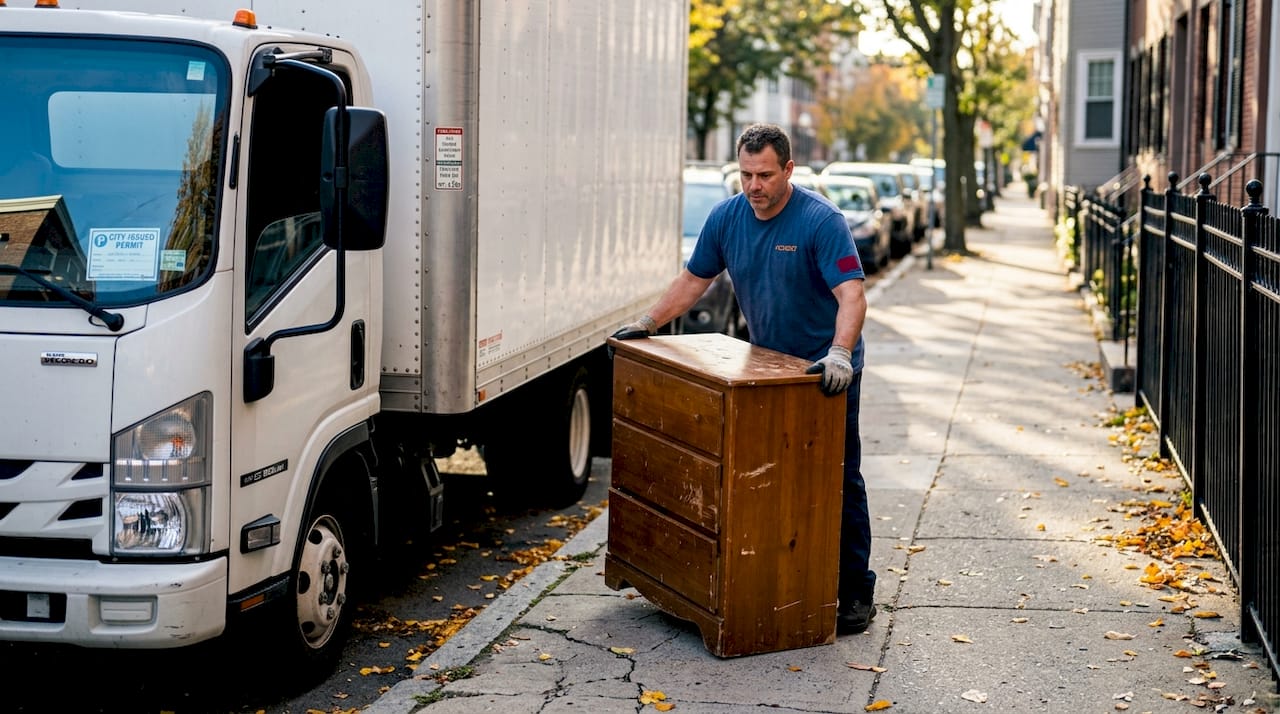
Boston presents particularly strict regulations. You’ll need parking permits costing $69 or more to reserve street space for your moving truck. Buildings often require a certificate of insurance from your mover to protect against property damage. Narrow streets, historic buildings with tight staircases, and elevator reservations add logistical hurdles. Missing any of these requirements can delay your move by hours or even days, racking up extra charges.
Weather monitoring becomes essential during New England moves. Check forecasts daily in the week leading up to your move date. Have backup dates ready if a nor’easter or blizzard threatens. Protect your belongings with plastic wrap, waterproof covers, and climate-controlled trucks when possible. Clear pathways of snow and ice the night before, and salt or sand high-traffic areas to prevent accidents.
Considerations for New England residential moves:
- Clear driveways, walkways, and loading zones of snow and ice before moving day
- Secure Boston parking permits weeks in advance and confirm building COI requirements
- Monitor weather closely and have contingency dates for severe winter storms
- Use moisture barriers and climate control for electronics, wood furniture, and temperature-sensitive items
- Account for shorter daylight hours by starting earlier in the day during winter months
Pro Tip: Schedule your move for late spring or early fall to avoid the worst winter move snow and ice challenges while still benefiting from lower peak-season rates. If you must move in winter, book a mover with proven New England experience who understands regional logistics and carries proper insurance for weather-related delays.
Local expertise makes a measurable difference. Movers familiar with New Hampshire’s rural roads, Maine’s coastal access challenges, and Massachusetts urban density navigate obstacles efficiently. They know which Boston neighborhoods require permits, which buildings have freight elevator restrictions, and how to protect belongings during sub-zero temperatures. Choosing a residential moving company with deep New England roots saves you time, stress, and potential damage.
Planning your move: checklist, quotes, and choosing the right service
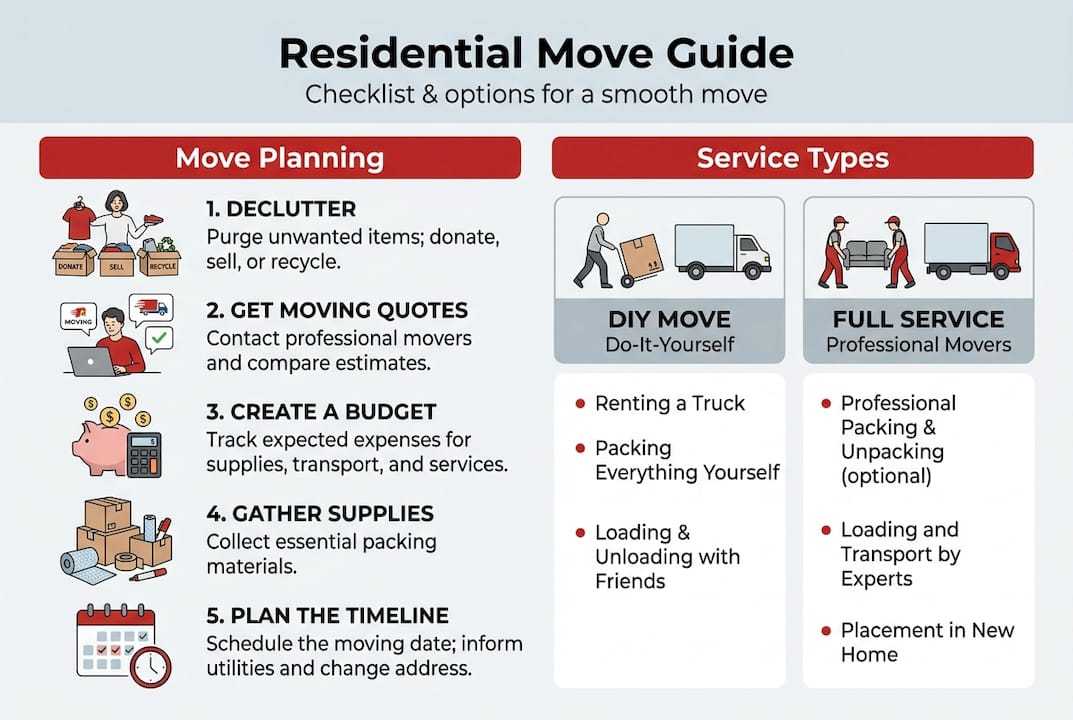
Successful moves start with early preparation. Declutter early and use checklists starting 8 to 6 weeks before your move date to stay organized and reduce what you transport. Go room by room, sorting items into keep, donate, sell, and discard piles. Fewer belongings mean lower moving costs and less unpacking work at your new home. Donate usable items to local charities, sell valuable pieces online, and responsibly dispose of hazardous materials.
A detailed moving checklist keeps you on track. Eight weeks out, research movers and start collecting quotes. Six weeks before, confirm your moving date and begin packing non-essentials like seasonal clothing and decorations. Four weeks ahead, notify utilities, update your address with banks and subscriptions, and arrange school transfers if you have children. Two weeks prior, pack most belongings, confirm details with your mover, and prepare an essentials box for moving day. The week of your move, finish packing, clean your old home, and do a final walkthrough.
Getting multiple quotes is non-negotiable. Contact at least three movers for in-home or virtual estimates. Reputable companies will assess your belongings, ask about stairs or long carries, and provide written quotes detailing all costs. Compare not just price but also services included, insurance coverage, and customer reviews. Avoid movers who demand large deposits upfront or provide estimates over the phone without seeing your home. These red flags often signal unreliable service or hidden fees.
You’ll choose between DIY moves and full-service professional options. DIY moves save money upfront, with truck rentals costing $50 to $200 per day plus mileage and fuel. You handle all packing, loading, driving, and unloading. This works for small moves, tight budgets, or when you have strong friends willing to help. However, DIY moves lack insurance protection, risk injury from heavy lifting, and often take longer than expected.
Full-service professional moves cost more but deliver reliability, insurance, and expertise. Movers pack your belongings with proper materials, load efficiently to prevent damage, transport everything safely, and unload at your new home. You’re covered by the mover’s insurance if items break. Professional crews complete in hours what might take you days. For families with children, full-time jobs, or valuable possessions, the investment pays off in reduced stress and protected belongings.
Steps for effective move planning:
- Start decluttering 8 weeks before your move date, donating or selling unwanted items
- Create a detailed timeline checklist covering tasks from research to final walkthrough
- Request written quotes from at least three licensed movers, comparing services and insurance
- Decide between DIY and full-service based on budget, time, and physical capability
- Book your chosen mover early, especially for summer weekends when demand peaks
- Confirm building requirements like parking permits, elevator reservations, and COI
- Pack an essentials box with toiletries, medications, chargers, and important documents for easy access
Pro Tip: First-time movers often overlook insurance details and building-specific requirements. Ask your mover about valuation coverage options beyond basic liability, which only covers 60 cents per pound per item. Full-value protection costs more but replaces or repairs damaged belongings at current market value. Also, contact your new building or landlord weeks ahead to learn about move-in rules, required documentation, and any fees for elevator or loading dock reservations.
Choosing between DIY and professional service depends on your situation. If you’re moving a studio apartment across town with minimal furniture, DIY might work. For multi-bedroom homes, long distances, or when you lack time and help, full-service moving advantages far outweigh the higher cost. Consider your physical ability to lift heavy items, the value of your time, and the risk of injury or damage when making this decision.
Comparing residential moving options and services
Different move types require different approaches, timelines, and budgets. Understanding how local, intrastate, interstate, and international moves compare helps you set realistic expectations and choose services that match your needs.
| Move type | Cost estimate basis | Typical duration | Complexity level |
|---|---|---|---|
| Local (under 50 miles) | Hourly rate, usually $100-$200/hour for crew and truck | 4-8 hours, completed in one day | Low: simple logistics, minimal paperwork |
| Intrastate (within state) | Weight and mileage, $2,000-$5,000 for 3-bedroom home | 1-3 days depending on distance | Moderate: requires planning, more coordination |
| Interstate (across states) | Weight, distance, and services, $3,000-$10,000+ | 3-14 days depending on distance and schedule | High: federal regulations, longer timelines, detailed inventory |
| International | Volume, destination, customs, $5,000-$20,000+ | 4-12 weeks including shipping and customs clearance | Very high: extensive paperwork, customs, multiple carriers |
Beyond basic transportation, residential moving includes diverse service options from packing materials to storage solutions, each offering different benefits based on need and cost. Professional packing services save enormous time and ensure fragile items receive proper protection. Movers use specialized materials like dish packs, wardrobe boxes, and bubble wrap designed for specific items. They pack systematically, label clearly, and create inventories for tracking. Self-packing costs less but requires buying materials, investing your time, and accepting greater risk of breakage if you lack experience.
Storage options fill gaps when your move-out and move-in dates don’t align. Short-term storage works for transitions lasting a few weeks, often offered by moving companies at their facilities. Long-term storage suits extended gaps, downsizing situations, or when you’re unsure about your next permanent location. Climate-controlled units protect sensitive items like electronics, artwork, and wood furniture from temperature and humidity fluctuations. Standard units cost less but risk damage in extreme conditions.
Additional services that enhance moving convenience:
- Professional packing services with specialized materials for fragile items, saving time and reducing breakage risk
- Storage services offering short-term and long-term options, some climate-controlled for sensitive belongings
- Packing materials and supplies sold or provided, including boxes, tape, bubble wrap, and furniture covers
- Specialty packing for pianos, artwork, antiques, and other high-value or delicate items requiring expert handling
- Disassembly and reassembly of furniture, beds, and complex items to facilitate transport and setup
When comparing movers, ask specifically what’s included in their base quote versus add-on services. Some companies bundle packing materials, while others charge separately. Understanding the full scope prevents surprise costs on moving day. Review what packing supply tips recommend for your home size and belongings.
The right service mix depends on your budget, timeline, and stress tolerance. Families with young children often benefit from full-service packing and unpacking, freeing them to focus on kids during the transition. Professionals with demanding jobs may prioritize speed and convenience over cost savings. Retirees downsizing might need storage while they sort belongings and find permanent housing. Assess your specific situation honestly, then build a service package that addresses your highest-priority needs.
Explore local moving solutions with Bridges Bros. Movers
Navigating residential moves across New England requires local expertise, reliable service, and comprehensive solutions tailored to regional challenges. Bridges Bros. Movers brings over a century of family-owned experience to residential moving services throughout New Hampshire, Maine, and Massachusetts. Our team understands winter moving logistics, Boston permit requirements, and the unique considerations of New England homes.

We offer full-service options including professional packing, secure storage, and specialized handling for valuable items. Whether you’re moving locally or across state lines, our award-winning service ensures your belongings arrive safely and on schedule. Get a free quote today and explore our moving checklist and planning tools to start your stress-free relocation. Let our proven track record and local knowledge make your next move the smoothest one yet. Discover why New England families trust us for their most important transitions by learning more about choosing a mover with the right credentials and reputation.
Frequently asked questions
What is residential moving?
Residential moving is the process of relocating household goods and personal belongings from one home to another for individuals or families. It differs from commercial moving, which handles business assets, office equipment, and inventory requiring specialized logistics and insurance.
How much does residential moving cost in New England?
Local moves under 50 miles typically cost $300 to $1,500 depending on home size and hours required. Intrastate moves within New England range from $2,000 to $5,000 for a three-bedroom home. Interstate moves start around $3,000 and can exceed $10,000 for long distances. Winter moves may incur additional fees for weather-related challenges.
What are the biggest challenges for New England residential moves?
Winter weather creates the primary challenge, with snow, ice, and freezing temperatures requiring pathway clearing, moisture protection, and shorter working windows. Boston-specific regulations like parking permits and building COI requirements add complexity. Narrow streets, historic buildings, and elevator restrictions in urban areas require experienced movers familiar with local logistics.
Should I hire professional movers or do it myself?
Professional movers provide insurance, expertise, and efficiency that justify higher costs for most families, especially for multi-bedroom homes or long-distance moves. DIY moves save money for small apartments or local relocations when you have help available. Consider your physical capability, time availability, and the value of your belongings when deciding. Full-service options reduce stress and injury risk significantly.
When should I start planning my residential move?
Start planning 8 weeks before your move date to allow time for decluttering, collecting quotes, and booking your preferred mover. Create a detailed checklist covering tasks from research to final walkthrough. Summer weekends book quickly, so reserve your mover early if possible. For Boston moves requiring permits, start the permit process at least 3 to 4 weeks ahead to avoid delays.
What should I look for when choosing a residential mover?
Verify the mover holds proper licenses and insurance for your move type, especially for interstate relocations requiring FMCSA registration. Read recent customer reviews focusing on reliability, communication, and damage handling. Get written quotes from at least three companies, comparing included services and insurance options. Ask about experience with New England-specific challenges like winter moves and urban logistics. Avoid movers demanding large upfront deposits or providing phone estimates without assessing your belongings.