
Every family faces messy in-between days where one house empties before the next is ready. For families and elderly clients in New Hampshire, those limbo weeks are stressful enough without worrying about where everyday essentials and cherished heirlooms will stay safe. Storage fills the gap during moves, giving you a secure place to keep your belongings organized and protected while you settle into your new routine. Discover how smart storage solutions make complicated transitions easier, safer, and less frantic.
Table of Contents
- What Storage Means When Moving
- Types of Storage for Moving Families
- Key Benefits of Using Storage Solutions
- Safety, Security, and Accessibility Features
- Cost Factors and Common Mistakes
Key Takeaways
| Point | Details |
|---|---|
| Storage Provides Flexibility | Use storage to manage timing and organization during a move, allowing for a smoother transition. |
| Choose the Right Storage Type | Select storage solutions based on your needs, including climate control, accessibility, and duration. |
| Consider Safety and Security | Ensure your belongings are kept in secure, well-maintained facilities to protect against damage and theft. |
| Plan to Reduce Costs | Avoid overspending on storage by accurately assessing your needs and planning ahead to secure the best rates. |
What Storage Means When Moving
When you’re planning a move, storage refers to a secure space where you temporarily keep your belongings while transitioning between homes. Think of it as a holding area for your possessions—furniture, boxes, seasonal items—that you’re not ready to unpack or don’t have room for immediately.
Storage fills a real gap during moves. Your new house might not be ready on moving day. Your old place might need to stay packed longer. Or you simply need breathing room to sort through decades of accumulated belongings without cramming everything into your new space at once.
Why This Matters for Your Move
Storage during moving serves several practical purposes:
- Timing flexibility – Move out on your schedule, not your landlord’s or your timeline
- Organizational breathing room – Sort, organize, and decide what stays without pressure
- Protection from damage – Climate-controlled units keep furniture safe from weather and temperature swings
- Space relief – Avoid overstuffing your new home during the transition period
- Reduced stress – Less chaos in your living space while you settle in
Understanding Storage Safety Standards
Proper storage isn’t just about convenience—it’s about keeping your belongings and your movers safe. Safe stacking and securing stored materials prevents accidents and damage. This is why reputable moving companies follow strict protocols when storing your items.
When items are stacked incorrectly or overloaded, they become hazards. Your furniture can shift during handling. Boxes can collapse. Personal items can get damaged. That’s why professional storage facilities maintain weight limits and organizational standards.
Storage vs. Simply Leaving Things Behind
Storage is different from just leaving boxes in your garage or basement. It’s a controlled environment where your items are:
- Organized systematically so you can locate items when needed
- Protected from temperature fluctuations that damage wood and electronics
- Kept away from moisture, pests, and accidental damage
- Accessible during your moving timeline, not permanently abandoned
For families in New Hampshire managing long-distance moves or temporary gaps between homes, this protection matters tremendously during our unpredictable New England seasons.
Storage during moving is the bridge between your old life and your new one—it gives you time and space to transition without panic or damage.
Pro tip: Start by categorizing what truly needs storage (furniture, seasonal décor, items awaiting your new home’s completion) versus what you can immediately move, sell, or donate—this reduces storage costs and simplifies your move.
Types of Storage for Moving Families
Not all storage solutions look the same. Families in New Hampshire face different moving challenges depending on timing, distance, and household size. The type of storage you choose directly impacts your stress level and moving success.
Traditional Self-Storage Units
Climate-controlled units are the most common choice for families. These temperature-controlled spaces protect furniture from New England’s harsh winters and humid summers. Your wood pieces won’t crack, electronics won’t malfunction, and upholstery stays safe from mold.
Standard features include:
- Climate control – Maintains stable temperature and humidity year-round
- Security features – Surveillance cameras, gated access, on-site management
- Flexible sizing – Choose 5x10 for boxes, 10x20 for household furniture
- Month-to-month rental – No long-term contracts; pay only what you need
- 24/7 access – Retrieve items whenever your schedule allows
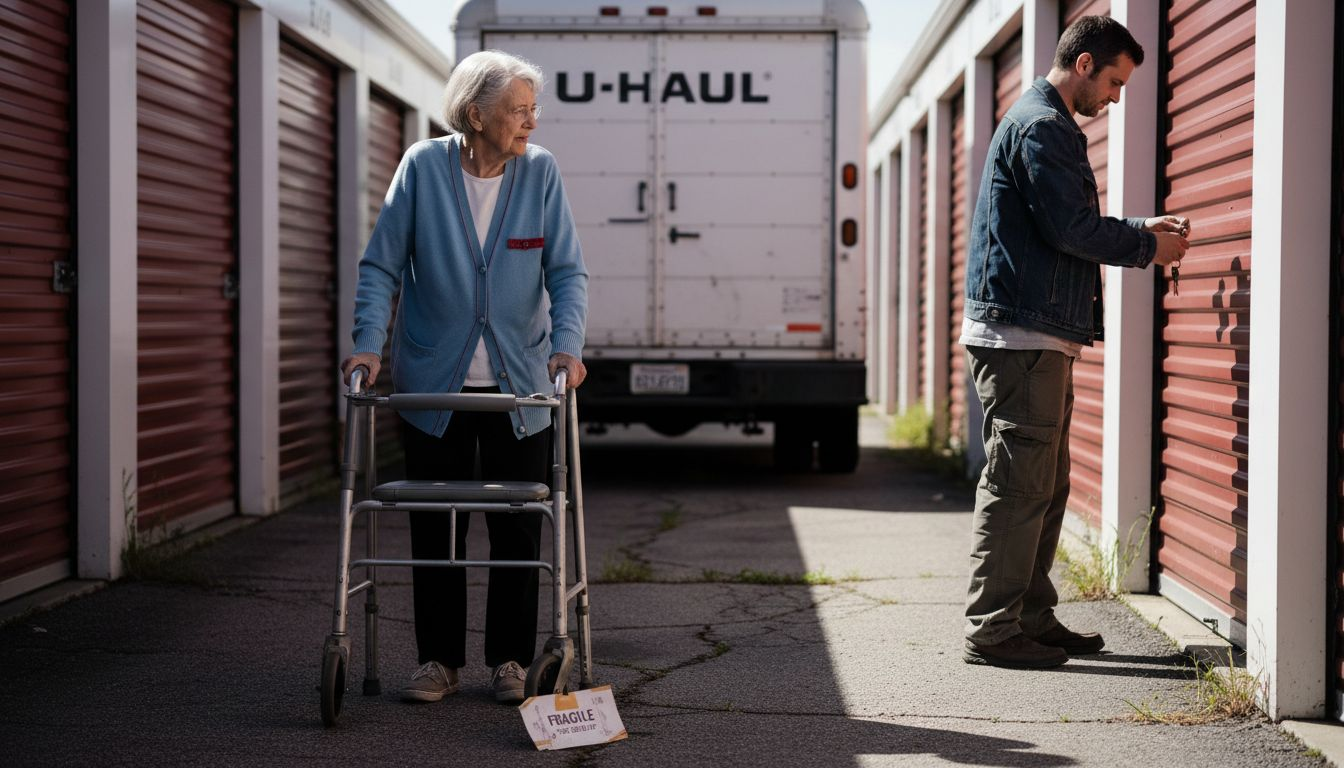
For elderly clients or families with mobility concerns, ground-floor units eliminate the need to climb stairs to access belongings.
Portable Storage Containers
Container-based storage brings the unit to your home. A company drops off a container, you pack at your pace, and they transport it to secure storage or directly to your new address.
This option works well when:
- Your old and new homes are far apart
- You need extended packing time
- You want to avoid multiple trips to a storage facility
- You’re managing a complex move timeline
Containers eliminate the logistics headache. You’re not renting truck time or coordinating multiple moving days.
Short-Term Warehouse Storage
Some moving companies offer warehouse space within their facility. This bridges the gap between your move-out and move-in dates. Unlike self-storage units, short-term versus long-term storage options differ in accessibility and cost structure, allowing you to match your actual timeline.
Warehouse storage typically costs less than climate-controlled units because items share one large space. It’s ideal for 2-6 week transitions while your new home gets ready.
Temporary Housing with Storage Integration
Families in crisis or extreme transitions sometimes use temporary accommodation arrangements that bundle housing and storage together. Organizations provide secure spaces for both your family and your belongings during housing instability or major relocations.
This matters for elderly clients managing unexpected moves or families between homes.
Choose storage based on your timeline, budget, and access needs—not on what sounds cheapest initially.
Pro tip: Book your storage unit before your moving day, not after—facilities fill up during peak moving seasons, and securing space early guarantees availability and often locks in better rates.
Here’s a comparison of popular storage options for moving families:
| Storage Type | Ideal Use Case | Customer Access Level | Typical Cost Structure |
|---|---|---|---|
| Climate-Controlled Unit | Protecting sensitive items | 24/7 direct access | Monthly fee, flexible terms |
| Portable Storage Container | Long distances, flexible timeline | Limited during storage | Transport + storage charges |
| Warehouse (Short-Term) | Gap between moves (2-6 weeks) | Staff-assisted only | Lower short-term pricing |
| Temporary Housing with Storage | Crisis or relocation assistance | Needs vary | Usually included with housing |
Key Benefits of Using Storage Solutions
Storage during moving isn’t just about finding a place for your boxes. It’s about reclaiming control over your transition and reducing the chaos that comes with juggling two homes, two timelines, and decades of accumulated belongings.
Reduces Moving-Day Stress
When everything must fit into your new home immediately, panic sets in. Storage gives you breathing room. You’re not forcing furniture through doorways that don’t fit or stacking boxes in bedrooms because there’s nowhere else to put them.
This matters for elderly clients and families managing complex moves. Without storage, you face:
- Rushed decisions – Throwing away items you might need later
- Damaged belongings – Cramming furniture into spaces, breaking corners and upholstery
- Household chaos – Living around boxes for weeks while you unpack
- Overwhelm – Feeling trapped by the sheer volume of things
Storage lets you unpack thoughtfully instead of frantically.
Creates Flexibility in Your Moving Timeline
Your old lease ends Friday. Your new house closes Monday. What happens to everything in between? Storage bridges that gap. You control when items arrive at your new home, not the other way around.
This flexibility matters when:
- Your new home needs time for repairs or cleaning
- You’re selling your current house and buying later
- Renovations aren’t finished before move-in day
- You need time to decide what stays and what goes
You’re not forced into expensive rush moves or last-minute decisions.
Protects Your Belongings from Damage
Temperature swings in New Hampshire can destroy furniture. Climate-controlled storage maintains stable conditions year-round, protecting wood, electronics, upholstery, and paint finishes. Storage flexibility and resource management principles show how proper storage systems maintain optimal conditions for protecting valuable assets.
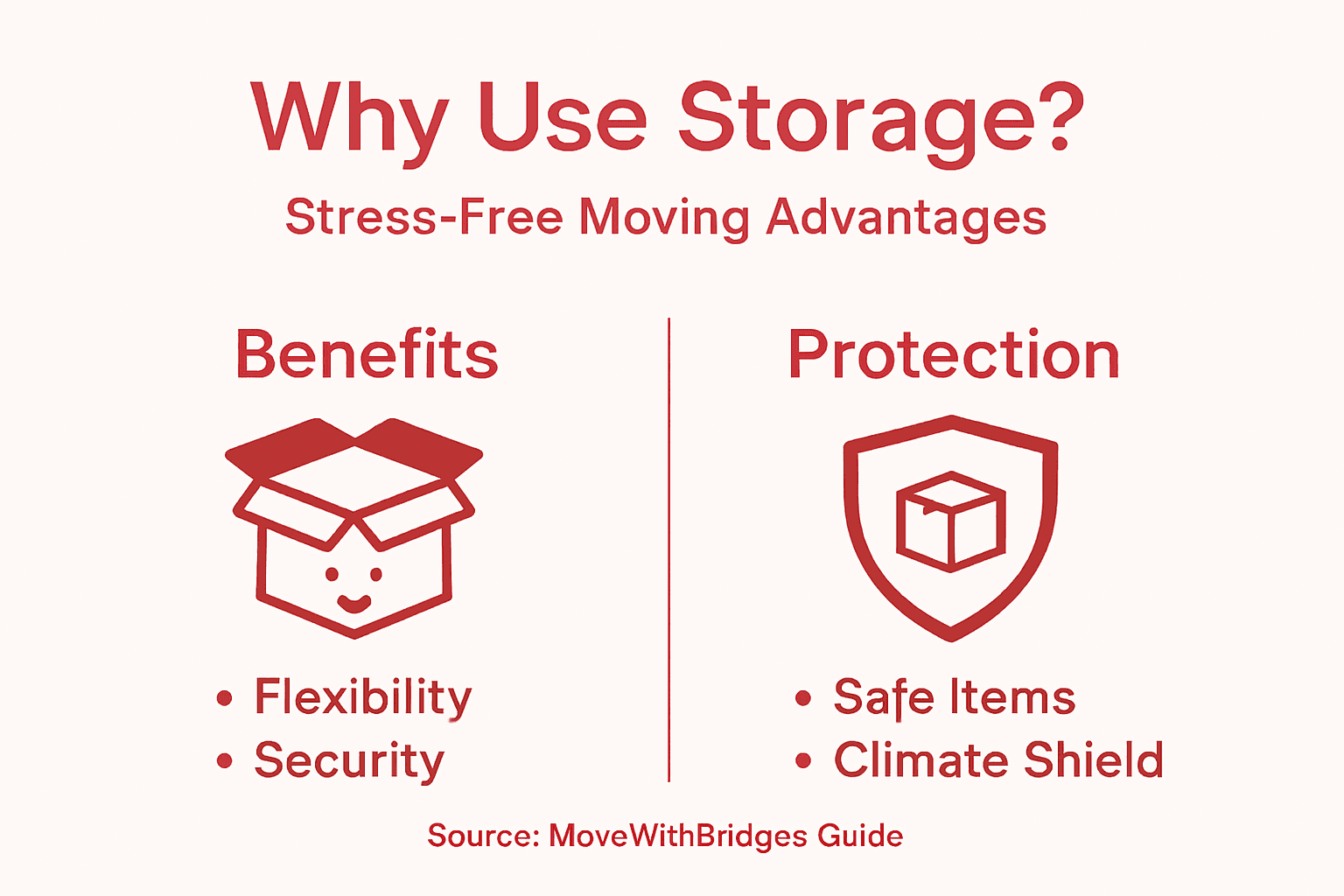
Your grandmother’s dresser won’t warp. Your leather couch won’t crack. Family photos won’t fade.
Gives You Space to Organize and Decide
Storage isn’t punishment for having too much. It’s space to sort through your life without pressure. You can:
- Separate what you actually use from what you’re keeping “just in case”
- Organize items systematically instead of haphazardly
- Donate or sell things gradually instead of in a panic
- Make thoughtful decisions about your new home’s layout
Many clients find they donate or sell 20-30% of stored items once they realize they don’t miss them.
Storage transforms moving from a chaotic sprint into a controlled, manageable process where your needs dictate the timeline, not external deadlines.
Pro tip: Label boxes clearly with room names and contents before storing them—you’ll avoid opening multiple boxes looking for one item, and unpacking becomes organized and predictable.
Safety, Security, and Accessibility Features
Your belongings deserve protection. When you store items during a move, you’re trusting a facility with furniture, electronics, family heirlooms, and memories. Professional storage facilities take this responsibility seriously through multiple layers of safety and security.
Security Measures That Protect Your Items
Gated access and surveillance form the foundation of secure storage. Facilities maintain 24/7 camera monitoring, electronic gate systems, and on-site management. Only authorized people with access codes can enter the property.
Additional security features include:
- Individual unit locks – You control the padlock; only your key opens your unit
- Perimeter fencing – Physical barriers prevent unauthorized entry
- Motion-sensor lighting – Deters theft by illuminating the property at night
- Regular patrols – Staff members conduct routine walkthroughs
- Alarm systems – Immediate alerts if security is breached
These measures protect against theft, vandalism, and unauthorized access to your stored possessions.
Safety Standards and Emergency Preparedness
Proper hazard management and emergency protocols ensure that storage facilities maintain safe conditions for both items and people accessing them. Reputable facilities follow fire codes, maintain fire extinguishers, and implement evacuation procedures.
Your items are stored safely. Fire-resistant construction materials reduce fire risk. Proper ventilation prevents moisture buildup that causes mold. Regular inspections catch problems before they damage your belongings.
Climate Control for Item Protection
Temperature and humidity fluctuations damage nearly everything. Wood furniture warps. Paint cracks. Electronics malfunction. Upholstery develops mold.
Climate-controlled units maintain:
- Consistent temperature – Usually 55-75 degrees year-round
- Humidity control – Keeps moisture between 30-50%, preventing mold and rust
- Air circulation – Prevents stagnant air that breeds mold and odors
For elderly clients storing family antiques or families protecting investment-quality furniture, climate control is non-negotiable.
Accessibility for All Ability Levels
Storage shouldn’t require physical strain. Many facilities offer ground-floor units that eliminate stair climbing. Wide aisles accommodate walkers or wheelchairs. Reasonable access hours ensure you’re never locked out during normal moving needs.
If you have mobility concerns, ask about accessibility when choosing a facility. Some moving companies provide pickup and delivery services, bringing items directly to storage without requiring you to transport them yourself.
Industry Standards and Compliance
International security and safety standards establish best practices that trustworthy facilities follow. These standards cover operational security, physical safety measures, and risk management, ensuring consistent protection across reputable storage providers.
When selecting a storage facility, verify they follow industry standards and maintain proper licensing and insurance.
Quality storage facilities invest in security, climate control, and accessibility because they understand your belongings hold both monetary and emotional value.
Pro tip: Take photos of items before storing them and keep a detailed inventory list—this protects you for insurance purposes and makes retrieval straightforward when you need specific items.
Cost Factors and Common Mistakes
Storage costs vary significantly based on unit size, location, climate control, and how long you need the space. Understanding what drives pricing helps you budget accurately and avoid surprises when the bill arrives.
What Affects Storage Costs
Storage isn’t one flat price. Multiple factors influence what you’ll pay each month. A 5x10 climate-controlled unit in New Hampshire costs more than a non-climate-controlled space, but protects your belongings from our harsh seasons.
Key cost drivers include:
- Unit size – 5x10 costs less than 10x20; larger units hold more but cost more
- Climate control – Temperature-regulated units cost 30-50% more than standard units
- Location – Urban areas and premium locations charge higher rates
- Accessibility – Ground-floor units may cost slightly more than second-story options
- Insurance – Added protection increases monthly fees
- Peak season pricing – Summer moves cost more than winter moves
Additionally, moving and storage industry costs reflect labor, fuel, and service fees that accumulate quickly when timing and planning go wrong.
Common Budget Mistakes That Inflate Costs
Many families overspend because they don’t plan strategically. Mistakes happen when stress levels run high and decisions get made in panic mode.
Avoid these expensive errors:
- Renting too large a unit – Overestimating what you’ll store costs hundreds extra monthly
- Booking last-minute – Rush storage reserves cost 20-40% more than advance bookings
- Unclear inventory – Not knowing what you’re storing prevents consolidating into smaller units
- Long-term storage – Paying for months you don’t need after unpacking completes
- Ignoring insurance – One damaged item costs more than monthly insurance premiums
Right-Sizing Your Storage Needs
Most people store too much. Before booking, inventory what actually needs storage versus what can move immediately or get donated.
Ask yourself:
- Will I use this item in the next six months?
- Does this item fit my new home’s layout?
- Is this worth the cost of storing monthly?
- Am I keeping this out of guilt or actual need?
Honest answers reduce storage duration and unit size, cutting overall costs significantly.
Understanding Service Fees and Hidden Charges
Monthly rent is just one cost. Watch for:
- Administrative fees – Processing or paperwork charges
- Late payment penalties – Missing deadlines costs extra
- Early termination fees – Some facilities charge for closing accounts early
- Access fees – Some facilities charge for frequent unit access
Read the contract carefully before signing. Ask about all potential fees upfront.
This table summarizes common hidden costs families should check before booking storage:
| Cost Type | What to Ask | Typical Impact |
|---|---|---|
| Administrative Fee | Is there a one-time setup fee? | $10-$25 upfront |
| Late Payment | What happens if I miss a payment? | $15+ fee or lockout |
| Early Termination | Can I end my rental early? | Possible extra month’s charge |
| Access Charges | Are frequent visits extra? | Some charge per access |
| Insurance Premiums | Is insurance optional or required? | $10-$30/month added |
The cheapest storage isn’t the smallest monthly payment—it’s the right-sized unit with realistic duration and no hidden fees.
Pro tip: Measure your furniture and calculate actual cubic feet needed before touring facilities—most people dramatically overestimate storage size, paying for empty space they’ll never use.
Simplify Your Move with Trusted Storage Solutions from MoveWithBridges
Moving involves many challenges from timing conflicts to protecting valued belongings during transitions. As highlighted in the article, finding the right storage option can reduce stress, offer flexibility, and safeguard your furniture and keepsakes with climate control and security features. Whether you need short-term warehouse storage or climate-controlled units, properly sized storage spaces give you breathing room to organize thoughtfully instead of rushing.
MoveWithBridges understands these specific moving pain points and offers personalized storage solutions designed around your unique timeline and budget. Our locally trusted team, recognized as the Best Mover in NH, ensures your belongings receive expert care with accessible, secure, and flexible storage options constructed to adapt to New England’s conditions. Start planning ahead and avoid last-minute hurdles by securing your storage early in your move preparation.
Ready to experience a stress-free move with storage that fits your family’s needs and timing? Take the first step now by requesting a personalized quote on MoveWithBridges.com. Learn more about how our full-service moving solutions and trusted reputation can transform your moving experience into an organized, controlled, and confident transition.
Frequently Asked Questions
What does storage mean during a move?
Storage refers to a secure space where you temporarily keep your belongings while transitioning between homes, allowing for a smoother moving experience.
Why is using storage beneficial during a move?
Using storage provides flexibility, allows for organization without pressure, protects your belongings from damage, and helps reduce stress during the transition.
What types of storage options are available for people moving?
Common types of storage for moving include climate-controlled units, portable storage containers, short-term warehouse storage, and temporary housing with integrated storage solutions.
How can storage help reduce moving-day stress?
Storage allows you to take the time to decide what to keep or discard, avoid cramming items into your new home, and manage your moving timeline better—thus reducing the chaos and overwhelming feelings that often accompany moving day.
Recommended
- Solving Your Storage Conundrum in Exeter, NH | Bridges Bros. Movers
- Short-Term vs. Long-Term Storage | Find the Right Storage Option for Your Move
- Role of Packing Services in Stress-Free Moves
- How to Avoid Common Moving Day Mistakes | Expert Tips for a Stress-Free Move
- Airport Transfer Explained: Stress-Free Travel Benefits